

What is Scar Camouflage?
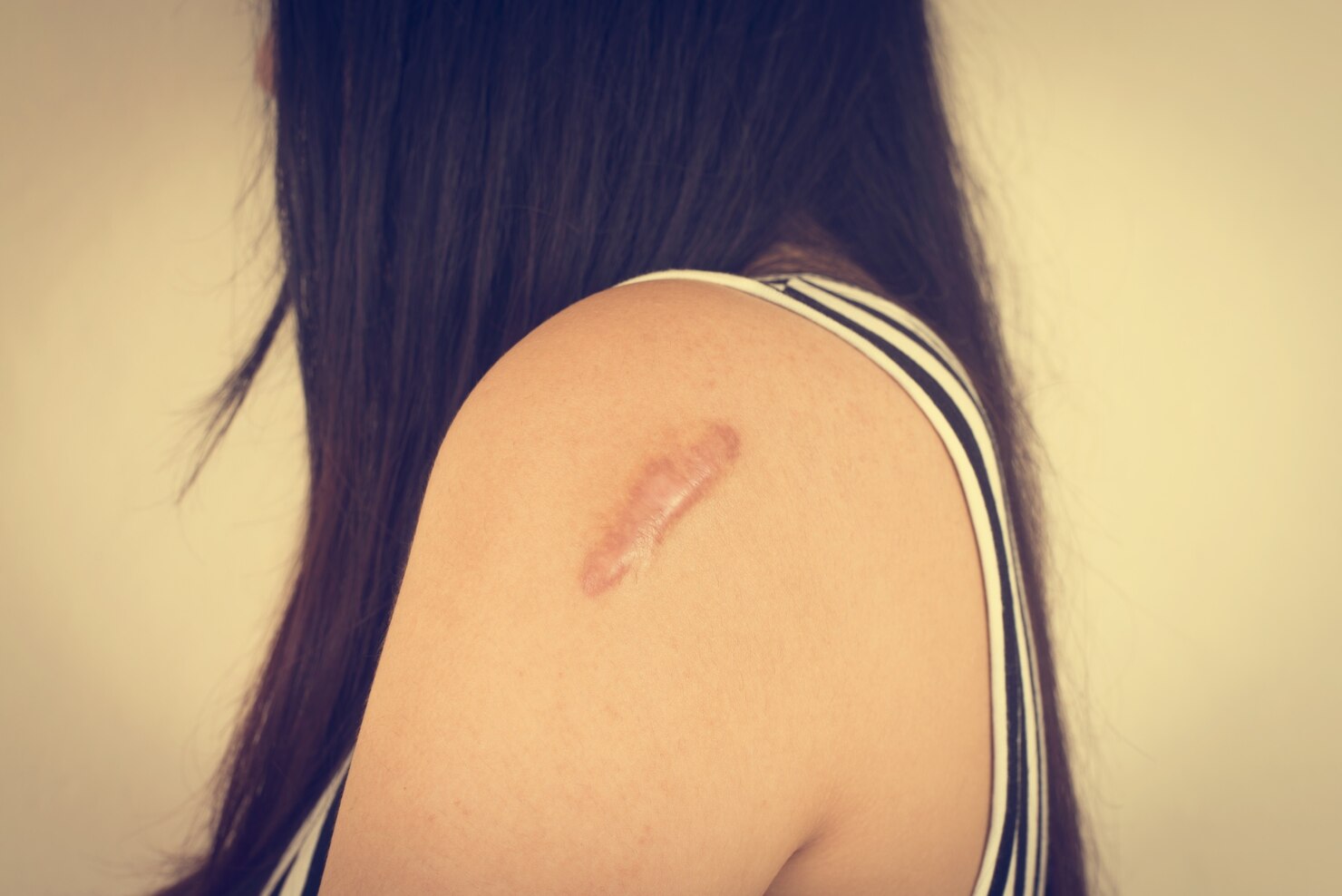
Scar Camouflage, also called paramedical scar micropigmentation, is a specialized cosmetic tattooing technique designed to make certain healed scars less noticeable[cite: 9]. Custom-blended pigments are introduced into suitable scar tissue to reduce the colour difference between the scar and the surrounding skin[cite: 9]. It does not remove the scar or change its texture; instead, the goal is to soften its visual appearance and help it blend more naturally with your complexion[cite: 9].
Step 1: Scar Suitability Assessment
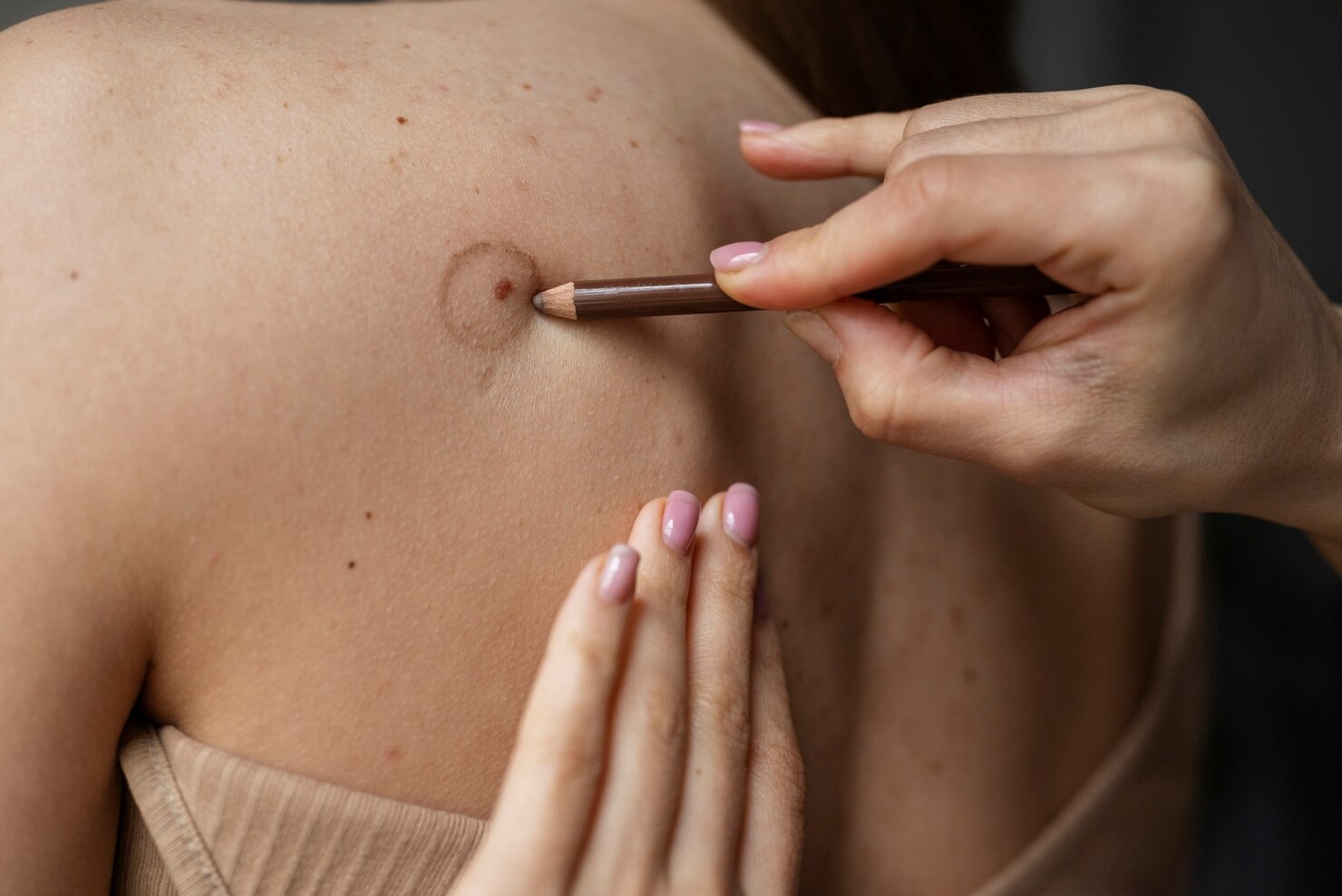
Not every scar should be tattooed[cite: 9]. Before treatment, we examine the scar's age, colour, texture, location, surrounding skin tone, and healing history[cite: 9]. Raised, irritated, actively changing, or immature scars may not be suitable[cite: 9]. For appropriate cases, a small test patch may be recommended to observe pigment response before treating the complete area[cite: 9].
Step 2: Skin-Tone Pigment Placement
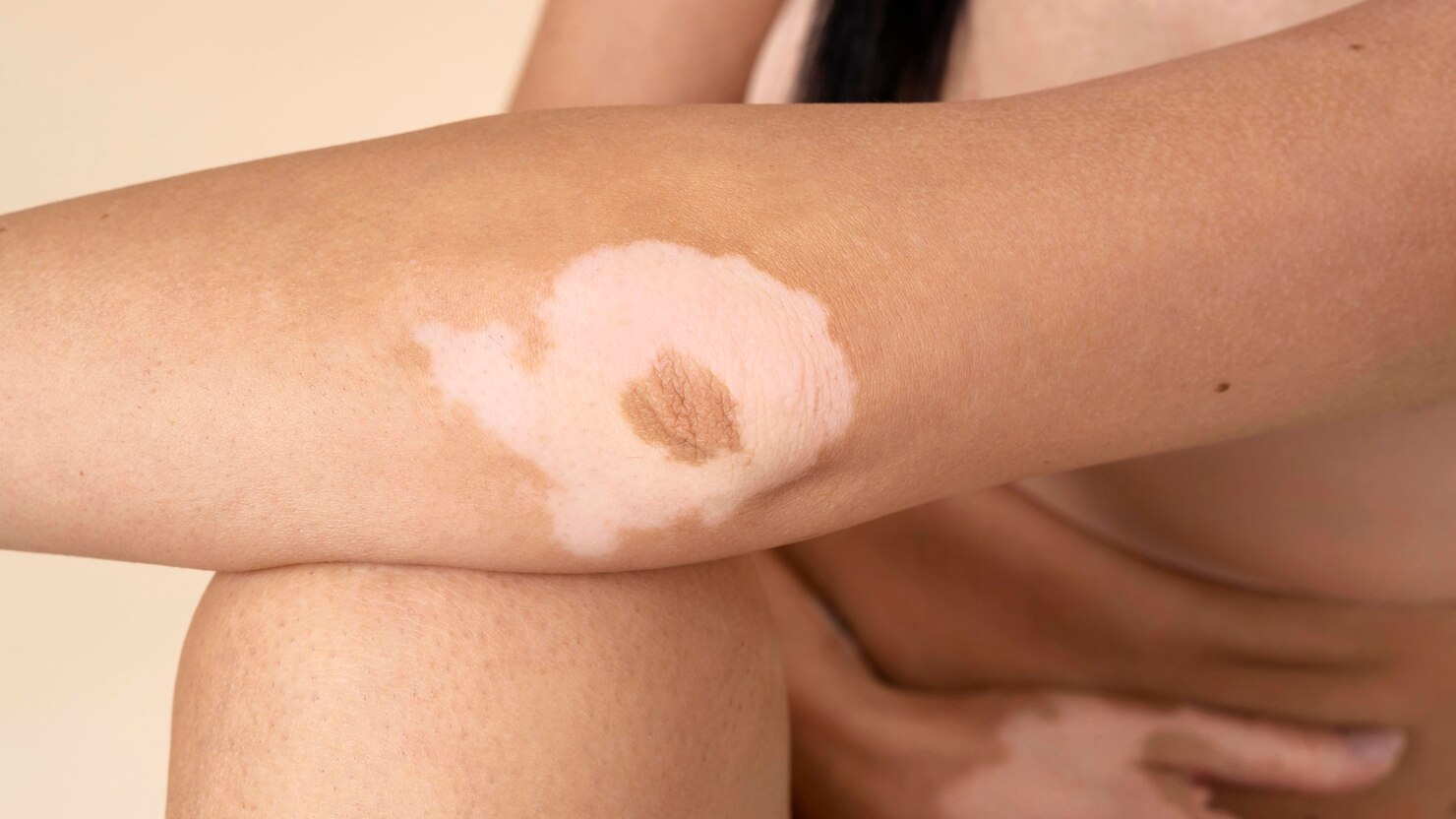
Once suitability is established, pigments are individually mixed to complement the skin surrounding the scar[cite: 9]. Using precise paramedical micropigmentation techniques, colour is gradually introduced into selected areas of the scar to reduce visible contrast[cite: 9]. Because scar tissue can retain pigment differently from normal skin, the treatment is performed conservatively rather than attempting full coverage in a single session[cite: 9].
Step 3: Colour Integration & Refinement
After the treated scar has healed, we evaluate how the pigment has settled in different parts of the tissue[cite: 9]. Additional sessions may be used to adjust undertones, strengthen areas with lighter retention, and improve the transition between the scar and surrounding skin[cite: 9]. The objective is visual camouflage and better colour harmony, not to make the scar completely disappear[cite: 9].