
Paramedical Tattooing

What is Vitiligo Camouflage?

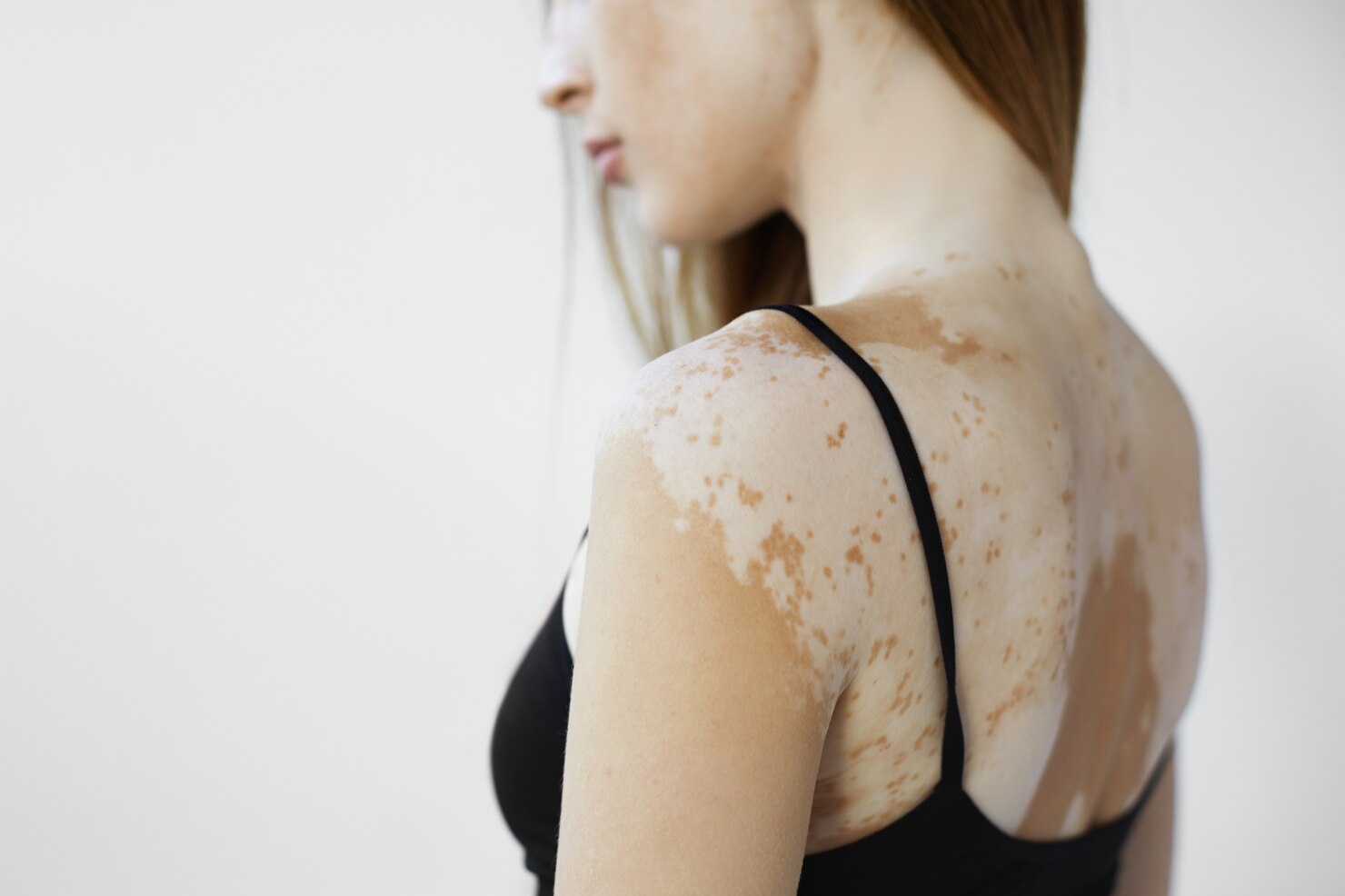
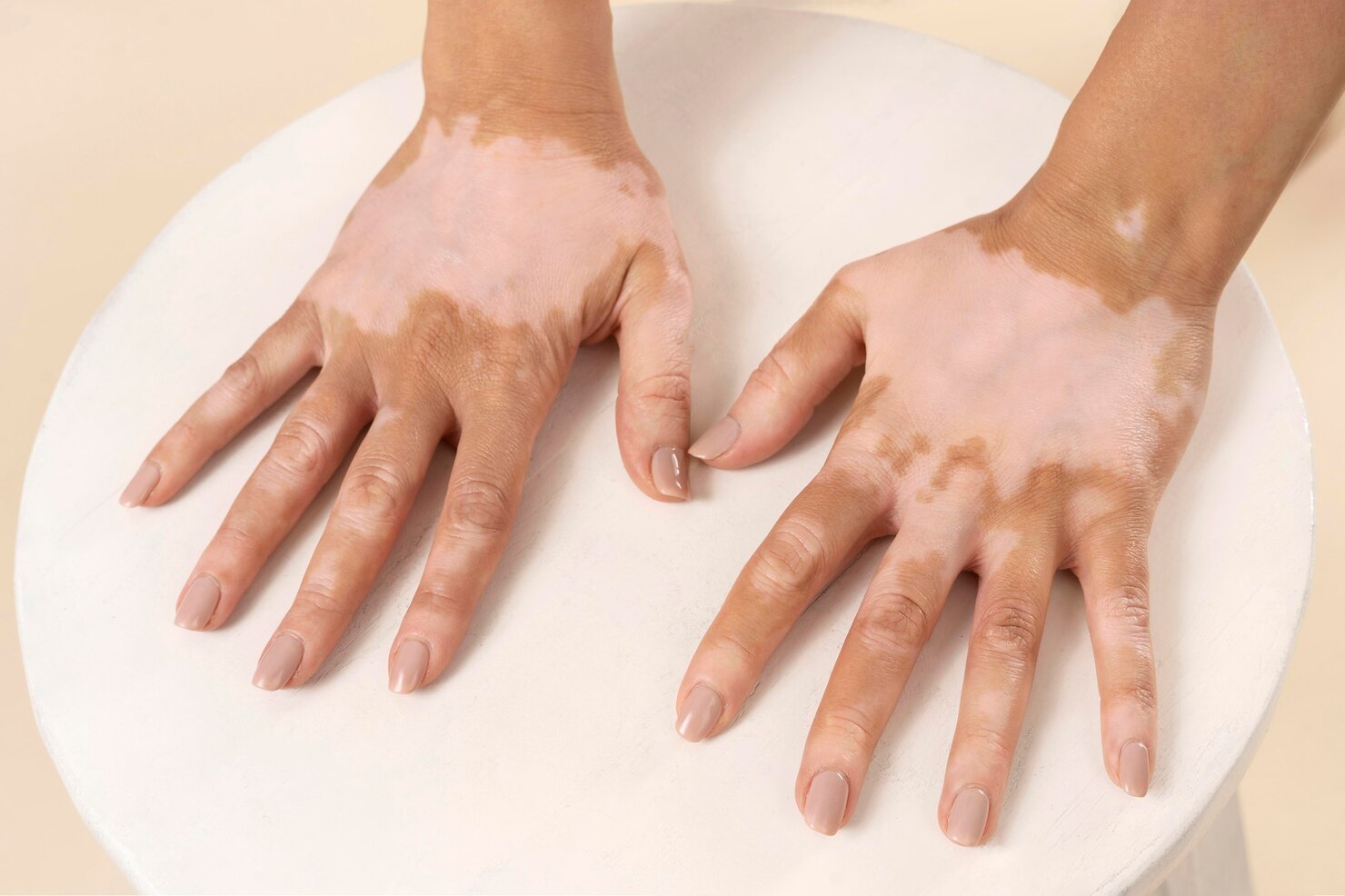
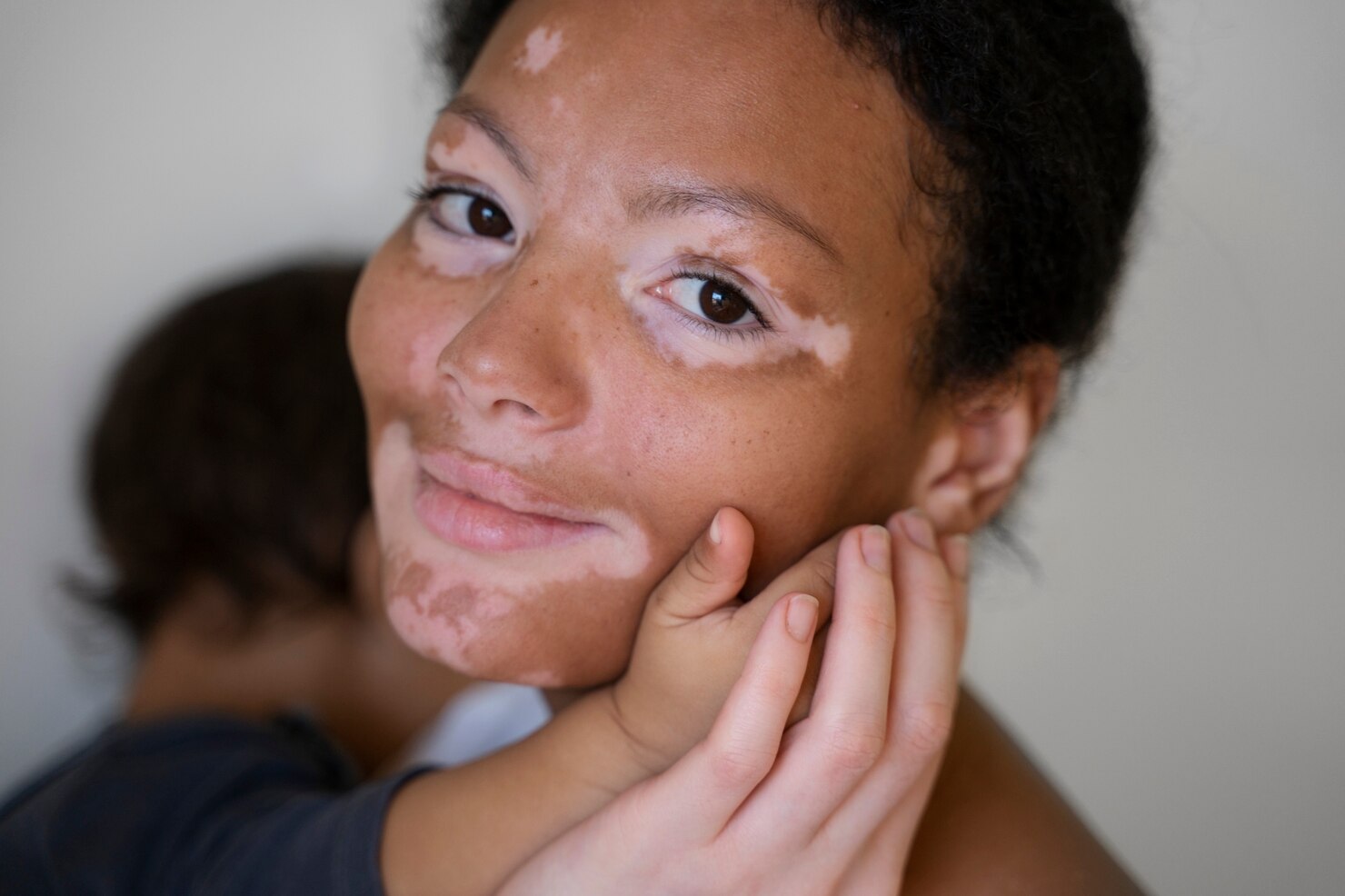
Vitiligo Camouflage, also known as medical or paramedical skin camouflage tattooing, is a specialized micropigmentation technique used to reduce the visible contrast between stable vitiligo patches and the surrounding natural skin[cite: 8]. Carefully customized pigments are implanted into suitable depigmented areas to create a closer visual match with the surrounding complexion[cite: 8]. The purpose is cosmetic camouflage—not to cure vitiligo or restore the skin's natural melanin production[cite: 8].

Step 1: Skin & Colour Evaluation

Vitiligo camouflage requires more than simply choosing a light, medium, or dark pigment[cite: 8]. We examine the location and stability of the patch, surrounding skin tone, natural undertones, previous treatments, and the difference between pigmented and depigmented skin[cite: 8]. Where appropriate, a small test area may be recommended before proceeding with a larger treatment[cite: 8].

Skin & Colour Evaluation

Step 2: Custom Pigment Camouflage

A personalized pigment blend is prepared to complement the surrounding skin rather than using a standard skin-coloured pigment[cite: 8]. Using precision micropigmentation techniques, colour is gradually introduced into the suitable depigmented area[cite: 8]. The treatment is intentionally built conservatively because freshly implanted pigment can look different from the final healed colour[cite: 8].

Custom Pigment Camouflage

Step 3: Healed Match & Colour Refinement

After the skin has completely healed, the pigment is reassessed in relation to your surrounding complexion[cite: 8]. Because skin contains several undertones and healed pigment can vary, additional sessions may be required to refine the colour and improve the visual transition between the vitiligo patch and surrounding skin[cite: 8]. The aim is a subtle camouflage effect rather than an unrealistic promise of completely invisible patches[cite: 8].

Healed Match & Colour Refinement
Expert Answers

FAQs About Vitiligo Camouflage

Vitiligo Camouflage is a cosmetic micropigmentation procedure that uses customized skin-tone pigments to reduce the visible contrast of suitable vitiligo patches[cite: 8].

No[cite: 8]. It is a cosmetic camouflage treatment and does not cure vitiligo, stop its progression, or restore natural melanin production[cite: 8].

It may be considered for people whose vitiligo has been stable for an appropriate period and whose skin is suitable for micropigmentation[cite: 8]. Professional assessment is essential[cite: 8].

Cosmetic tattooing is generally not recommended over actively changing vitiligo[cite: 8]. Medical clearance may be appropriate before considering treatment[cite: 8].

Pigments are customized by assessing your surrounding skin colour and undertones rather than selecting one ready-made "skin colour"[cite: 8].

A test area can help assess how your skin responds and how the selected pigment heals before treating a larger or more visible area[cite: 8].

The goal is to reduce contrast and improve visual blending, but an exact permanent match cannot be guaranteed because natural skin colour changes with sun exposure, seasons, and other factors[cite: 8].

No[cite: 8]. Suitability depends on factors such as location, stability, skin condition, medical history, and the characteristics of the patch[cite: 8].

Vitiligo camouflage is often built gradually over multiple appointments[cite: 8]. The number of sessions depends on the treatment area and how the pigment heals[cite: 8].

Conservative colour building allows the healed pigment to be evaluated before more colour is added, reducing the risk of creating an overly dark result[cite: 8].

Treatment time varies significantly depending on the size, location, and number of areas being camouflaged[cite: 8].

Sensitivity varies by treatment area and individual[cite: 8]. Comfort measures may be used where appropriate during the procedure[cite: 8].

Temporary redness and a stronger-looking pigment colour can occur[cite: 8]. The appearance changes as the skin heals[cite: 8].

The pigment should be assessed only after the treated skin has properly healed, as freshly implanted colour is not an accurate representation of the final result[cite: 8].

No[cite: 8]. Cosmetic pigments gradually fade and may change over time, so maintenance or colour-refresh sessions can eventually be required[cite: 8].

Natural skin can become lighter or darker with sun exposure, while implanted pigment does not tan in the same way[cite: 8]. This can temporarily make the colour difference more noticeable[cite: 8].

Some facial areas may be suitable, but every location must be individually assessed before treatment[cite: 8].

Your current treatment and medical history should be discussed during consultation[cite: 8]. In some situations, clearance from your dermatologist or treating doctor may be recommended before cosmetic tattooing[cite: 8].

The treated skin should be protected while healing[cite: 8]. Follow the provided aftercare instructions, avoid picking or scratching the area, and protect it from unnecessary sun exposure[cite: 8].

Rajini PMU in Bangalore provides personalized consultations for suitable Vitiligo Camouflage cases[cite: 8]. Each treatment is approached individually, with careful skin-tone assessment, customized pigment blending, conservative colour building, hygiene protocols, and realistic expectations about what cosmetic camouflage can achieve[cite: 8].